Revolutionize Your Outdoor Setting: Professional Landscaping Guidance for an Exceptional Home Garden
Reshaping an exterior setting into a beautiful home garden demands thoughtful planning and purposeful execution. By evaluating the specific features of a property, homeowners can establish clear garden objectives. Choosing vegetation that flourish in the local climate is vital. In addition, incorporating practical hardscape features improves both visual appeal and usability. Nonetheless, the journey won't end at that point. Learning how to preserve beauty and ecological health can elevate any garden to the next level. What approaches produce enduring success?
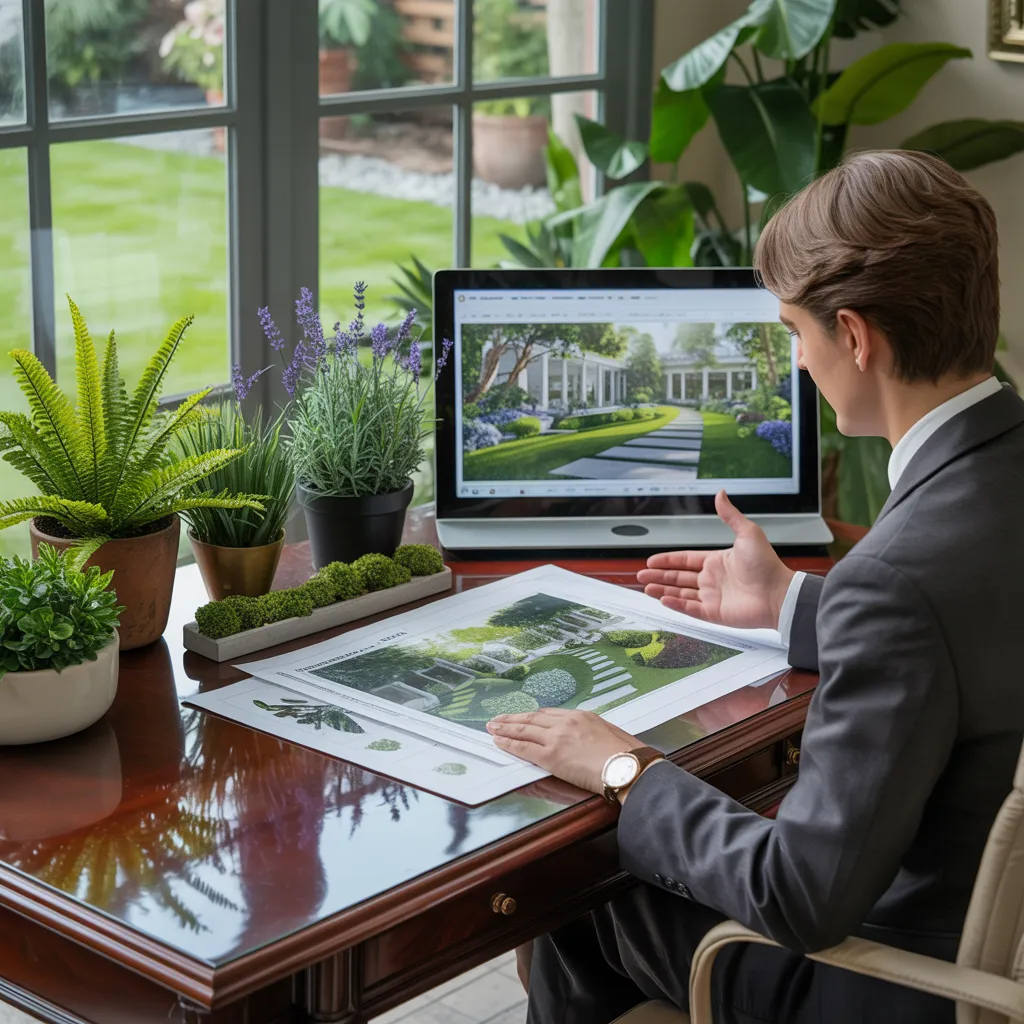
Examine Your Property to Determine Your Landscaping Objectives
Before commencing any garden renovation, it is essential for residents to thoroughly evaluate consult now their exterior setting. This initial evaluation enables them to grasp the unique features of their property, including sun conditions, ground quality, and current plants. Identifying these elements supports in determining what types of landscape features and design can be successfully integrated into the area.
Homeowners should record measurements and note any barriers such as trees, fences, or pathways that could affect the layout. Moreover, understanding personal preferences and lifestyle needs—including entertainment spaces, gardening, or relaxation—can direct the garden objectives. By specifically establishing these goals, property owners establish a strong base for a unified and practical exterior space. This thoughtful assessment ultimately leads to a more successful and satisfying garden renovation, guaranteeing the outdoor space not only enhances the property's appearance but additionally satisfies the functional requirements of its residents.
Determine the Perfect Plant Selection for Your Local Environment
Choosing the right plants for a specific climate is vital for creating a thriving outdoor space. Understanding regional climate conditions, including heat levels, rainfall, and humidity, helps property owners choose vegetation that will thrive. Native plants typically adjust most effectively, needing minimal maintenance and water. For instance, water-efficient plants are ideal for arid regions, whereas water-preferring plants flourish in humid climates.
Gardeners should also take into account climate variations; choosing vegetation that offers continuous appeal enhances the garden. Early bloomers, summer perennials, and vibrant fall foliage can produce a striking visual display. Moreover, speaking with local gardening centers or extension services can provide valuable insights into hardy plant varieties adapted for specific conditions.
Finally, a well-planned plant selection enhances not just visual appeal but additionally supports native fauna and promotes ecological health, which makes it a smart decision for any outdoor space transformation.
Enhance Your Garden With Structural Outdoor Design Elements
Functional hardscaping elements play an essential role in shaping exterior areas and enhancing their usability. By adding seating zones and well-designed pathways, homeowners can create welcoming spaces that encourage relaxation and movement. Additionally, borders can help delineate different zones within the garden, adding structure and visual interest. components in structuring exterior environments and enhancing their usability. By incorporating seating areas and well-designed pathways, homeowners can create inviting environments that encourage leisure and circulation. Additionally, borders can help delineate different zones within the garden, establishing layout and visual interest.
Establish Your Outdoor Setting
Creating a carefully organized outdoor space can renovate a yard into an welcoming retreat. One effective approach to achieve this is through practical landscape features, which provide organization and arrangement. Pathways made from natural stone or brick guide guests while adding visual interest. Retaining barriers can form tiered levels, enhancing the garden's overall design and preventing soil degradation. Barriers or screens can establish boundaries, providing privacy and a sense of enclosure. Adding elevated planting zones not only establishes growing zones but also improves user accessibility. These elements work together to create distinct zones that enhance both aesthetics and functionality. Ultimately, a well-organized outdoor space fosters a serene environment where homeowners can relax and enjoy nature.
Integrate Lounging Areas
Incorporating sitting zones into an exterior environment greatly improves its functionality and appeal. By adding practical hardscape features, homeowners can establish welcoming areas for rest, gathering, or appreciating the outdoors. Choices range from benches, outdoor furniture, or hanging seats, each contributing to the garden's aesthetic and coziness. Strategically placing seating near focal points, such as flower beds or water features, encourages users to engage with their environment. Additionally, selecting materials such as wood or stone can match the landscape's style, ensuring a cohesive look. Shade structures, such as pergolas or umbrellas, provide comfort during hot seasons, making these areas usable year-round. Ultimately, expertly crafted sitting zones convert a standard yard into a pleasant sanctuary for loved ones and guests.
Establish Pathways And Edges
Pathways and borders serve as essential elements in outdoor landscaping, leading people through the garden while elevating its general layout. They generate a notion of structure and circulation, assisting in distinguishing various zones and plant arrangements. Materials such as pavers, gravel, or stone can be used to create long-lasting walkways, while natural borders made from shrubs or decorative fencing can improve aesthetic value. Additionally, pathways can encourage exploration, guiding eyes to centerpieces like garden beds or fountain features. Properly designed borders can also prevent weed encroachment and soil erosion, promoting garden wellness. Ultimately, integrating pathways and borders not only improves functionality but also increases the decorative appeal of the landscape environment, creating a more welcoming and pleasant atmosphere.
Design Flow Through Pathways and Rest Areas
A carefully organized outdoor environment frequently presents a natural flow produced through strategically positioned walkways and seating spaces. Walkways navigate visitors within the garden, forming a distinct sense of progression while boosting the complete aesthetic quality. Incorporating choices like stone, wood, or gravel can enhance the walkway's charm and guarantee longevity.
Sitting spaces create pause areas, inviting guests to sit and value the surroundings. Positioning seating strategically beside focal features, like a waterfall or a flower display, promotes involvement with the garden. Your seating preference—benches, chairs, or even lounges—influences the vibe, whether casual or sophisticated.
Adding walkways and rest areas develops a welcoming setting, boosting functionality and pleasure. Combined, they establish a smooth transition among various zones of the garden, encouraging discovery and calm, eventually turning any exterior area into a peaceful sanctuary.
Transform Your Garden With Seasonal Tones and Depth
To improve the aesthetic quality of a landscape, thoughtful choosing of seasonal varieties is critical. Combining various textural qualities can bring dimension and engagement, as well as carefully positioned highlights can capture attention and develop a unified composition. All these aspects combined assure a lively and engaging exterior environment all year long.
Choose Seasonal Plants Thoughtfully
Choosing seasonal plants with care can turn your garden into a magnificent tapestry of colors and textures. By picking plants that bloom at different times throughout the year, gardeners can guarantee a continuous display of beauty. Spring bulbs, summer color providers, fall-flowering perennials, and winter evergreens each deliver unique color palettes and structures to the landscape. It is essential to take into account local climate conditions and soil types, as well as the plants' growth habits. Native species often succeed with less maintenance effort, increasing biological diversity. Additionally, combining plants with varying heights and bloom times can create a dynamic visual effect. Ultimately, careful consideration fosters a garden that evolves with the seasons, delivering enjoyment throughout the entire year.
Create Textured Layers For Depth
Generating garden depth calls for layering textures that complement and enhance seasonal color. By incorporating a variety of plants with differing foliage shapes, sizes, and colors, one can establish a dynamic garden composition. For instance, combining full-leaved plants with thin-bladed grasses can produce visual contrast and allure. Additionally, weaving in bark, gravel, and ecological materials presents sensory features that enrich the overall experience. Seasonal blooms must be strategically situated to deliver color highlights across all seasons, ensuring that each layer remains visually interesting. This thoughtful arrangement not only captures attention across the landscape but also builds an engaging setting where every detail contributes to the garden's beauty and harmony.
Incorporate Design Anchors Strategically
Intentionally placing focal points can remarkably boost a garden's aesthetic appeal and seasonal vibrancy. These focal points provide anchors that attract the gaze and foster landscape unity. Gardeners can apply elements such as sculptures, ornamental trees, or vibrant flower beds to establish visual engagement. Seasonal blooms can be introduced via the selective planting of plants with alternating bloom cycles, ensuring that the garden remains dynamic throughout the year. Surface textures also hold importance; combining smooth stone paths with rough bark or lush foliage adds depth. By thoughtfully placing these elements, a gardener can build a friendly environment that sparks discovery and gratification, transforming an outdoor space into an engaging retreat.
Embrace Responsible Strategies to Build a Healthy Garden
Embracing eco-friendly practices is essential for cultivating a vibrant garden that flourishes in harmony with the environment. Gardeners are encouraged to use indigenous vegetation, which necessitate less moisture and maintenance while promoting regional animals. Implementing natural growing methods, such as composting and organic pest management, can considerably reduce chemical usage, fostering a more robust ecosystem.
Water-saving strategies, including precision irrigation and rain capture, improve green practices by optimizing resource use. Applying mulch conserves moisture additionally prevents invasive vegetation, reducing the necessity for herbicides. Additionally, fostering plant variety by adding varied vegetation encourages resistance to pests along with plant diseases.
Soil quality is critical; strategies such as crop cycling and cover cropping keep nutrient levels excluding synthetic fertilizers. By adopting such sustainable strategies, gardeners can build an excellent environment that fosters plant life and environmental health, creating a greater horticultural experience.
Manage Typical Issues for Year-Round Garden Appeal
A well-maintained outdoor space can confront many problems during all seasons, altering its overall visual appeal as well as condition. Typical problems consist of pest infestations, nutrient shortages, and water shortage. Recognizing pests early is important; gardeners should frequently check plant parts for visible harm as well as treat infestations employing organic pesticides alternatively incorporating predatory insects.
Nutrient shortages commonly show as yellow foliage along with reduced growth. Conducting soil assessments can help pin down specific necessities, allowing for strategic fertilization Lacking minerals frequently appear as yellow foliage as well as stunted growth. Performing soil tests can allow determine particular necessities, permitting focused fertilizer use re-establishing stability. Furthermore, ensuring adequate water supply is vital; excessive watering can lead to rotted roots, on the other hand too little water strains vegetation.
Changes in seasons furthermore necessitate modifications to upkeep. During winter, applying mulch safeguards root systems against ice, on the other hand the summer season could require increased watering and partial shade to protect fragile plants. By addressing such standard difficulties promptly
Should I Undertake Landscape Projects on My Own or Hire a Professional?
One can certainly complete garden work independently, tapping into online resources and imagination. However, hiring a professional delivers expertise, productivity, and better outcomes, especially for advanced designs or extensive work that require advanced techniques.
What Tools Do You Should Have for Yard Landscaping?
Essential tools for yard landscaping include a leaf rake, garden shovel, digging tool, pruning scissors, garden fork, and a hose or sprinkler can. These tools support in efficiently managing dirt, plants, and comprehensive garden care, guaranteeing professional landscaping.
How Can I Effectively Keep My Garden Area Throughout the Calendar Year?
To keep a landscape healthy throughout the year, consistently shape plants, add mulch for thermal protection, monitor hydration levels, and implement seasonal planting methods. Additionally, pest management and nutrient application are essential for vibrant, healthy growth.
Comments on “Professional El Cajon Top Landscaping for Stunning Outdoor Spaces”